


Proper siding does more than just enhance the look of homes in Nottingham. It’s also crucial in keeping your indoor temperature comfortable throughout the year. If your siding is damaged or poorly installed, it may interfere with your home’s ability to stay warm during the cold, damp winters or cool during the rare hot spells.
In this article, you’ll discover easy ways to spot if your siding is causing temperature problems and why it matters for families and homeowners in Nottingham.
What Does Siding Do?
Siding acts as a protective shell for your home. It blocks wind, rain, and cold drafts from entering, all of which are quite common in Nottingham. Good siding helps your home keep in the heat during winter and keeps excess warmth out in summer, which can lower your energy bills and provide a comfortable living environment for everyone.
Signs Your Siding May Be Affecting Indoor Temperature
Drafts Near Windows and Walls
- If you feel cool air blowing near your walls and windows, even when they’re shut tight, this could mean that your siding has gaps or cracks where air can seep in. This is especially noticeable during Nottingham’s blustery winters.
Higher Energy Bills
- Nottingham’s unpredictable weather means heating is a regular necessity. If your energy bills are rising without explanation, your siding might not be insulating your home properly, making your heater work harder to keep things warm.
Uneven Room Temperatures
- Walking into one room that’s cold and another that’s warm? Poorly installed or failing siding lets outside air into certain parts of your house, causing uneven temperatures everywhere.
Visible Damage Like Warping or Cracking
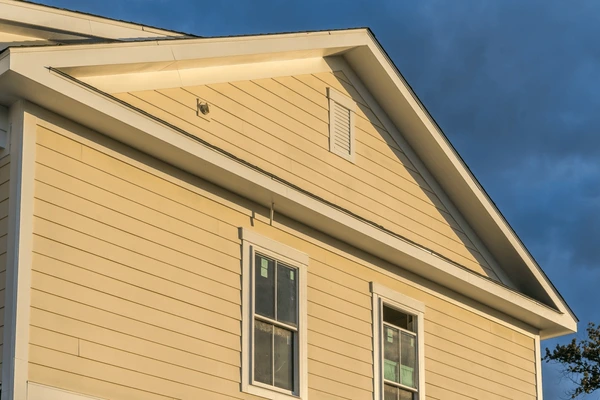
- Look for siding that appears warped, cracked, or even faded. Nottingham’s rain and occasional temperature swings can cause these issues over time. Cracked siding doesn’t just look unpleasant, but it lets air and moisture in, harming your indoor climate.
Peeling Paint or Wallpaper Indoors
- Extra moisture coming through damaged siding can make your indoor paint bubble and peel or cause your wallpaper to ripple. In Nottingham homes, this is often a sign that water is entering through the walls, affecting both appearance and temperature.
Mold or Dampness
- Siding that’s cracked or poorly sealed can let dampness inside, a common problem in Nottingham, thanks to frequent rain. Indoor mold is unhealthy and also makes rooms feel chilly and uncomfortable.
Why Nottingham Homes Are at Risk
The Nottingham climate means homes face a lot of moisture and variable temperatures. Local materials like clay and older construction methods can make houses here more sensitive to siding problems. Regular checks and timely repairs are vital for maintaining a healthy and energy-efficient living space.
What You Can Do
- Inspect your siding every season, looking for visible damage, and feel for drafts indoors.
- If you notice any signs above, consider calling a local Nottingham siding professional for an assessment.
- Upgrading to energy-efficient siding or adding insulation can dramatically improve your home’s comfort and lower your bills.
Nottingham’s weather is unpredictable, but your family’s comfort doesn’t have to be. By understanding how siding affects your indoor temperature, you can keep your home cozy and welcoming, no matter what’s happening outside.

Leave a Comment