
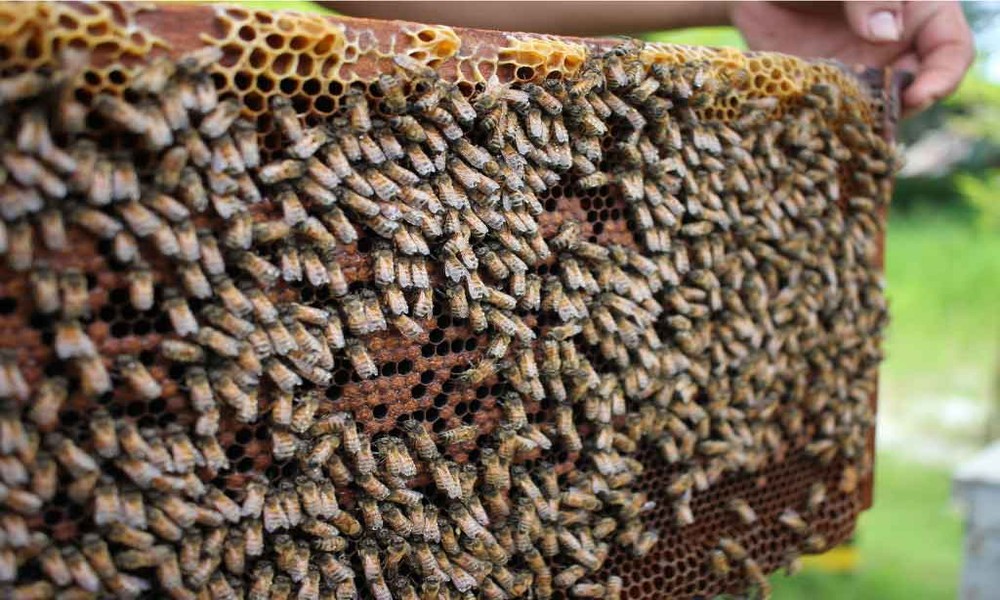

Beehive inspections in Phoenix, Arizona, are essential for maintaining colony health, especially in a climate marked by intense heat and seasonal floral fluctuations. Regular monitoring helps identify subtle warning signs before they escalate into serious threats.
For those seeking structured inspection guidance, greenmangopest.com provides useful direction, but understanding what to look for inside a hive is equally important for effective management in Phoenix, Arizona.
Why Hive Inspections Matter in Phoenix, Arizona
The environmental conditions in Phoenix, Arizona, including extreme summer temperatures, limited water sources, and sporadic nectar flows place additional stress on bee colonies. These factors can accelerate colony decline if issues are not detected early.
Routine inspections help:
- Detect diseases before they spread
- Monitor food reserves during dry periods
- Ensure the queen is active and productive
- Identify environmental stressors unique to Phoenix, Arizona
Without consistent checks, small problems can quickly become irreversible.
Key Signs of a Healthy Hive
Before identifying problems, it is important to understand what a healthy hive looks like in Phoenix, Arizona’s, conditions.
Indicators of a stable colony include:
- Consistent brood pattern with minimal gaps
- Presence of eggs, larvae, and capped brood
- Active worker bees with steady movement
- Adequate honey and pollen stores
Warning Signs Inside the Hive
During inspections in Phoenix, Arizona, several internal indicators may signal trouble:
Irregular Brood Pattern
A scattered or patchy brood pattern may suggest the following:
- A failing or aging queen
- Disease affecting larvae
- Nutritional deficiencies due to limited forage
Unusual Odors
A healthy hive typically has a mild, sweet smell. Foul or sour odors in Phoenix, Arizona hives may indicate bacterial infections or decay.
Presence of Pests
Inspect frames carefully for:
- Varroa mites on bees or brood
- Wax moth damage
- Small hive beetles
External Signs of Hive Distress
Not all problems are visible inside the hive. External behavior can also reveal underlying issues in Phoenix, Arizona colonies.
Watch for:
- Reduced flight activity during peak foraging hours
- Bees clustering outside excessively (possible overheating)
- Disoriented or crawling bees near the hive entrance
- Increased aggression or unusual defensive behavior
Seasonal Challenges in Phoenix, Arizona
Phoenix, Arizona presents unique seasonal risks that should be considered during hive inspections:
Extreme Heat
High temperatures can:
- Melt wax comb
- Force bees to spend energy cooling the hive
- Reduce brood survival rates
Limited Forage
During dry periods, bees may struggle to find sufficient nectar and pollen, leading to:
- Starvation risks
- Weak brood development
Water Scarcity
Bees require water for cooling and digestion. Lack of nearby water sources in Phoenix, Arizona can severely stress colonies.
Inspection Best Practices
Effective hive inspection in Phoenix, Arizona requires a structured and careful approach:
- Inspect during cooler parts of the day to minimize stress
- Use minimal smoke to avoid disrupting colony behavior
- Handle frames gently to prevent damage
- Keep inspections concise during extreme heat
Consistency is more important than frequency; regular, focused inspections yield better results than infrequent, lengthy ones.
When to Take Immediate Action
Certain findings during hive inspections in Phoenix, Arizona, require urgent intervention:
Long-Term Hive Health in Phoenix, Arizona
Sustaining healthy colonies in Phoenix, Arizona involves ongoing monitoring and environmental adaptation. Beekeepers should:
- Provide supplemental feeding during nectar shortages
- Ensure consistent access to clean water
- Offer shade or ventilation during peak heat
- Maintain hive cleanliness and structural integrity
Bee hive inspections in Phoenix, Arizona, are a critical component of responsible beekeeping. By recognizing early warning signs and understanding the region’s environmental challenges, beekeepers can protect colony health and productivity.
A proactive approach, combined with careful observation, ensures that hives in Phoenix, Arizona, remain strong, stable, and capable of thriving despite environmental pressures.

Leave a Comment