
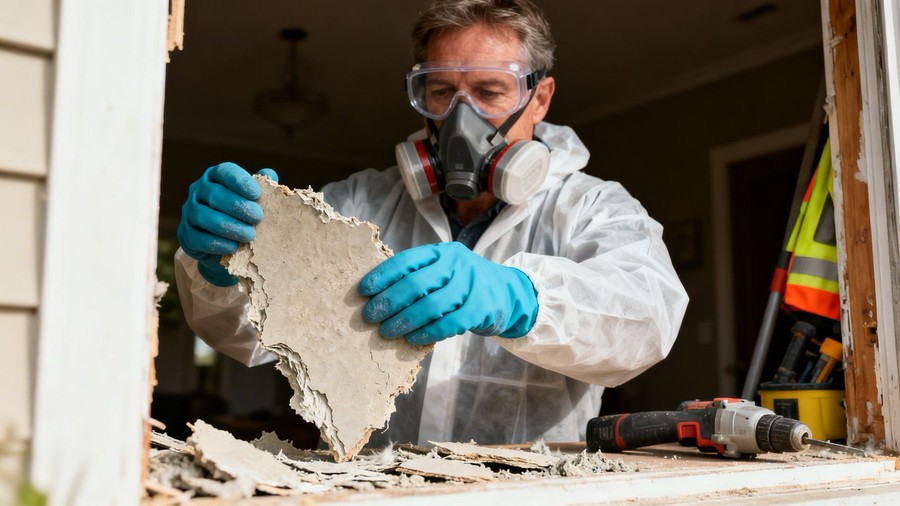

What Asbestos Encapsulation Entails
Asbestos encapsulation is a method used to manage asbestos-containing materials (ACMs) without physically removing them. Instead of excavation, a specialized coating is applied over the ACM. This coating acts as a barrier, effectively sealing the hazardous material and preventing asbestos fibres from becoming airborne. It’s a practical approach when the ACM is in good condition but requires protection from potential damage or disturbance. Think of it like applying a durable sealant over an old surface to protect it, rather than stripping it all back. This technique is particularly suitable for materials that are structurally sound but located in areas where they might be accidentally impacted.
The Protective Shield Against Asbestos Fibres
The core principle of encapsulation is to create a robust barrier that immobilizes asbestos fibres. Professionals use highly specialized sealants, engineered specifically for this purpose. These materials fall into two main categories:
- Penetrating Encapsulants: These are designed to soak into porous ACMs, acting like a strong adhesive that binds the fibres from within. This is often used for materials like asbestos insulation board or sprayed coatings, solidifying them and reducing the risk of fibre release.
- Bridging Encapsulants: These form a tough, seamless skin over the surface of the ACM. They are ideal for less porous materials, such as asbestos cement sheets or textured coatings, providing a durable shield against wear and tear.
Both types of encapsulants are crucial for preventing the microscopic fibres from escaping into the environment, which is the primary health hazard associated with asbestos. The selection of the appropriate encapsulant depends on the specific type and condition of the ACM being treated.
When Encapsulation Is the Appropriate Choice
Encapsulation is generally considered when ACMs are in good condition and unlikely to be significantly disturbed. For instance, an intact asbestos cement sheet on a garage roof or an asbestos ceiling in a low-traffic area might be candidates for encapsulation. It’s a viable option if the material is stable and poses a low risk of fibre release under normal circumstances. However, encapsulation is not suitable for ACMs that are already damaged, crumbling, or are expected to be disturbed by future renovation or demolition work. In such cases, asbestos abatement is typically the necessary course of action. A professional risk assessment is always required to determine the most appropriate management strategy, taking into account the material’s condition, its location, and the potential for future exposure, all in accordance with regulatory guidelines.
Evaluating Asbestos Removal Management
The Long-Term Responsibility of Encapsulation
While encapsulation might seem like a simpler, less expensive option upfront, it’s important to understand that it doesn’t eliminate the asbestos. Instead, it seals it in. This means the asbestos remains present in the property and requires ongoing management. A formal asbestos register must be maintained, detailing the location and condition of the encapsulated materials. Regular inspections are necessary to check that the sealant is intact and hasn’t been compromised. This creates a long-term duty of care for the property owner. Failure to properly manage encapsulated asbestos can lead to future problems and potential legal issues.
Impact on Future Property Works
Planning future renovations or alterations to a property with encapsulated asbestos can become more complicated. If any work is planned in an area where asbestos has been encapsulated, it will almost certainly need to be removed before the new work can begin. This is because disturbing the encapsulated material, even during minor renovations, could release asbestos fibers. Therefore, while encapsulation might solve an immediate problem, it can add significant hurdles and costs to future projects. It’s wise to consider the long-term implications for any planned property improvements.
Property Value Considerations
The presence of asbestos, even when encapsulated, can be a point of concern for potential buyers. Some may view it as a liability due to the ongoing management requirements and the potential for future removal costs. Others might prefer a property where asbestos has been completely removed, offering a ‘clean slate’. A thorough assessment of the material’s condition and the effectiveness of the encapsulation is vital. Understanding how to remove asbestos safely can provide peace of mind for future owners.
Professional Assessment for Asbestos Management
When dealing with potential asbestos in your home, getting a professional assessment is not just a good idea; it’s a necessary step. Trying to figure out the best course of action on your own can be risky and might lead to incorrect decisions. A qualified professional brings the knowledge and tools needed to properly evaluate the situation.
The Necessity of a Professional Asbestos Survey
A professional asbestos survey is the starting point for any asbestos management plan. A trained surveyor will visit your property to identify suspect materials. They don’t just look for asbestos; they assess its condition and location. This detailed inspection helps determine the level of risk associated with the material. This expert evaluation forms the basis for all subsequent decisions regarding management or removal. Without a survey, you’re essentially guessing about a serious health hazard.
Understanding Material Assessment Scores
Following the survey, professionals often assign a material assessment score to any identified asbestos-containing materials (ACMs). This score helps quantify the risk. Factors considered include:
- The type of asbestos material.
- Its physical condition (e.g., is it damaged or intact?).
- The likelihood of disturbance or exposure.
- The location and accessibility of the material.
These scores provide a clear, objective way to prioritize which ACMs need immediate attention and which might be managed over time. It moves beyond a simple ‘yes’ or ‘no’ about asbestos presence to a more nuanced risk assessment.
Legal Duty to Manage Asbestos
In many regions, property owners have a legal obligation to manage asbestos. This duty typically requires you to:
- Identify the location and condition of ACMs.
- Assess the risk posed by these materials.
- Create and implement a plan to manage these risks.
- Keep records of your findings and management plan.
- Review the plan regularly.
Failing to meet these legal requirements can lead to significant penalties. A professional assessment ensures you are aware of your obligations and are taking the correct steps to comply with the law, protecting both your health and your legal standing.
Comparing Asbestos Management Options
When faced with asbestos-containing materials (ACMs) in a property, homeowners typically consider two primary management strategies: encapsulation or removal. Each approach presents a distinct set of implications regarding cost, disruption, and long-term responsibility. Understanding these differences is key to making an informed decision that aligns with the property’s condition, intended use, and the owner’s future plans.
Encapsulation vs. Removal: A Cost and Impact Overview
Choosing between encapsulation and removal involves weighing immediate costs against future liabilities. Encapsulation generally offers a lower upfront expense, making it an attractive option for budget-conscious homeowners. This method involves sealing the ACMs with a protective coating, which prevents the release of asbestos fibres. However, this is not a permanent fix; it requires ongoing monitoring and maintenance.
Removal, on the other hand, carries a significantly higher initial cost. This is due to the extensive labour, specialized containment procedures, and the licensed disposal of hazardous waste. Despite the greater immediate financial outlay, removal eliminates the asbestos from the property entirely, thereby removing the long-term management burden and associated risks.
Method Suitability Based on Material Condition
The condition of the asbestos-containing material is a critical factor in determining the most appropriate management method. Encapsulation is generally suitable for ACMs that are in good condition, undisturbed, and located in areas with minimal risk of damage or disturbance. These might include intact asbestos cement sheets in an attic or behind a wall where they are unlikely to be physically impacted.
Conversely, if the ACMs are damaged, deteriorating, or located in high-traffic areas where they are prone to impact, vibration, or regular maintenance, removal is almost always the safer and more advisable option. Attempting to encapsulate damaged material may not provide a reliable long-term seal and could lead to fibre release if the encapsulant is compromised.
Key Benefits and Considerations for Each Method
Encapsulation:
- Benefits: Lower initial cost, less disruptive to the property during the process, and can often be completed more quickly than removal.
- Considerations: Requires a formal asbestos management plan, regular inspections to check the integrity of the seal, and potential complications for future renovation or demolition work. The asbestos remains present in the building.
Removal:
- Benefits: Permanently eliminates the asbestos hazard from the property, simplifies future renovation or demolition projects, and removes the ongoing management responsibility.
- Considerations: Higher initial cost, more disruptive during the removal process (often requiring occupants to vacate the area), and necessitates specialized hazardous waste disposal.
The Practicalities of Asbestos Encapsulation
Is Encapsulation a Permanent Solution?
People often ask if encapsulation is a forever fix for asbestos. The truth is, it’s not—it’s a long-term management approach rather than a final solution. Most professional-grade encapsulants are made to last a decade or even two if left undisturbed, but the asbestos remains trapped beneath the surface. Because of this, it’s vital to include encapsulated areas in the official asbestos register for the building and plan for regular inspections. These checks usually mean having a qualified surveyor look for any damage or wear that could weaken the seal. Without this ongoing attention, there’s always a risk the material could become hazardous again down the line. If you’re working within specific state rules, you’ll find that asbestos abatement regulations cover these recurring responsibilities.
Risks of Breaching an Encapsulated Seal
The biggest concern with encapsulation is what happens if the protective coating gets damaged. Everyday knocks—from moving furniture or accidental impacts—can break the seal, especially in busy areas or places prone to vibration over time. Once that happens, the asbestos fibers could escape into the environment. It’s important to remember that even what seems like minor damage may call for immediate professional attention. If the seal is compromised, you’re usually facing one of these steps:
- Emergency repair of the encapsulant by a qualified contractor
- Reassessment to decide if removal is now the safer option
- Immediate updates to your property’s asbestos register and management plan
This risk is exactly why DIY painting or patching is not only unreliable but also dangerous. Regular paint has none of the necessary properties to safely seal asbestos, and preparation work like sanding can actually make things worse. Only reputable, licensed teams should ever handle this kind of material.
Long-Term Management and Inspection Requirements
Owning a building with encapsulated asbestos means accepting some added responsibility. This isn’t a one-time job you can forget about. Here’s what long-term management usually involves:
- Keep detailed records in the asbestos register, noting locations and dates of encapsulation.
- Arrange scheduled inspections—generally yearly, but this can depend on your local guidelines and the condition of the asbestos-containing material (ACM).
- Act quickly on any signs of damage. Fast repairs can spare you a much bigger headache and keep the risk of fiber release in check.
- Educate anyone working in or around the affected areas about the presence of encapsulated asbestos and what it means for safe practices.
Ultimately, encapsulation works best when paired with careful, ongoing oversight. With regular care and proper records, it’s a safe and cost-effective solution—but only if treated with the respect and attention asbestos demands.
Selecting a Qualified Asbestos Contractor
When dealing with asbestos, whether it’s encapsulation or removal, hiring the right professional is a really big deal. It’s not just about getting the job done; it’s about making sure it’s done safely and legally. You can’t just pick anyone out of the phone book. There are specific requirements and checks you need to do to make sure you’re protected.
The Importance of HSE Licensing
First things first, any contractor you consider must have a valid license from the Health and Safety Executive (HSE) for asbestos work. This isn’t optional. It’s the official proof that they have the necessary training, equipment, and safe working procedures to handle asbestos. Without this license, they shouldn’t be touching the material. On top of that, they need to have proper insurance that specifically covers asbestos-related jobs. This protects you if anything unexpected happens.
Vetting Contractor Experience and Methods
Once you have a list of licensed contractors, it’s time to dig a little deeper. You need to ask questions to really understand their experience and how they plan to do the work. A good contractor will be happy to answer all your questions thoroughly. Here are some things you should ask about:
- Past Projects: Ask for examples of similar asbestos encapsulation projects they’ve completed. Seeing their previous work can give you a good idea of their capabilities.
- Materials Used: Inquire about the specific encapsulant products they plan to use and why those are the best choice for your situation. Different materials have different properties.
- Safety Measures: Find out what safety steps they will take to protect your home and family while they are working. This includes things like containment and air monitoring.
- Waste Disposal: Understand their plan for handling any hazardous waste created during the job, such as used protective gear or cleaning materials. This waste must be managed according to strict regulations.
Essential Questions for Potential Contractors
Beyond general experience, there are specific questions that can help you gauge a contractor’s professionalism and suitability for your project. Don’t be afraid to be detailed in your inquiries. A reputable company will welcome your diligence and be able to provide clear answers.
Consider asking:
- What are your procedures for preventing the spread of asbestos fibers outside the work area?
- How do you manage and dispose of hazardous waste generated during encapsulation, and can you provide documentation of your licensed waste carrier?
- What kind of post-work inspection or air testing do you recommend or provide to confirm the encapsulation is secure?
- Can you provide references from previous clients for similar encapsulation projects?
Asking these questions helps you make an informed decision and ensures the contractor you choose is competent, compliant, and committed to safety.






Leave a Comment