
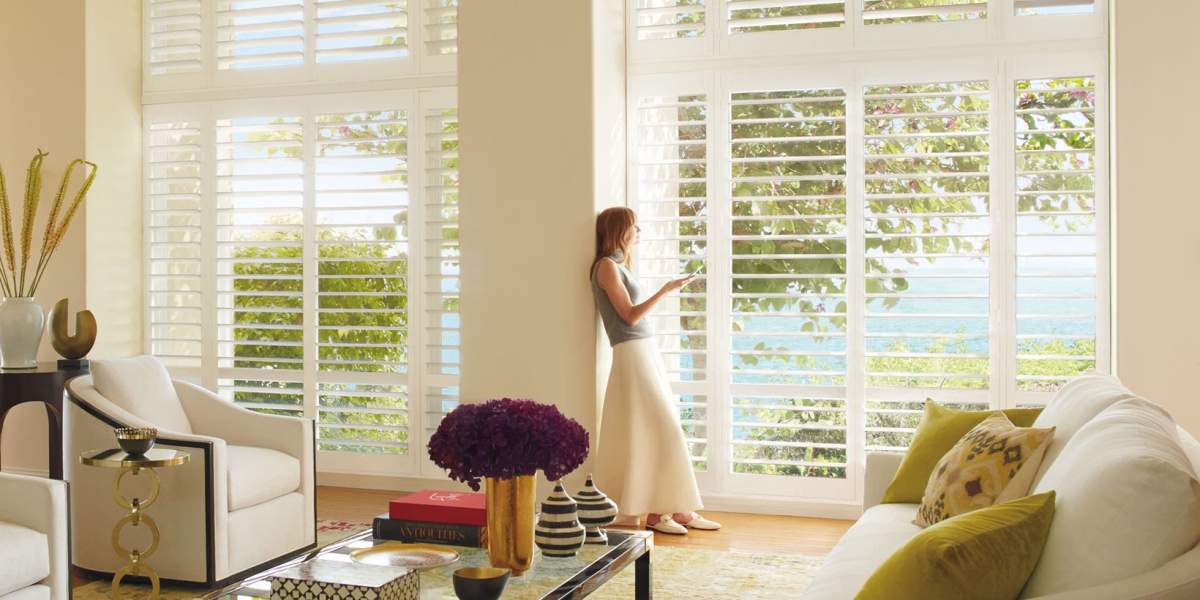

Modern homes demand window treatments that do more than simply block light, and custom window blinds have emerged as one of the most refined ways to marry function with design. Whether you are outfitting a new build or refreshing an existing space, the range of design possibilities today is wider than ever. The key is knowing which options suit your architecture, your lifestyle, and the particular personality of each room.
The Shift Toward Tailored Window Treatments
Mass-produced blinds served their purpose for decades, yet they were rarely exciting. Homeowners accepted standard sizes, limited colours, and materials that aged quickly. The growth of made-to-measure blinds has changed the conversation entirely. Today, bespoke window treatments allow you to specify exact dimensions, choose from hundreds of fabrics, and select operating mechanisms that range from simple cord pulls to smart-home-integrated motors.
This shift mirrors a broader movement in interior design – the idea that every element in a room should be intentional. A window covering is no longer an afterthought. It is a design decision.
Popular Design Options for Modern Interiors
Minimalist Roller Blinds
Roller shades remain a favourite in contemporary homes because of their clean lines and unobtrusive profile. When raised, they practically disappear into a slim cassette at the top of the window. When lowered, they present a smooth, unbroken surface that lets the fabric do the talking.
Design choices include:
- Neutral solids in white, grey, or beige for a seamless, understated look.
- Textured weaves that add depth without introducing pattern.
- Sheer fabrics that filter daylight into a soft, diffused glow while preserving outward views.
- Printed panels featuring geometric or botanical motifs for a statement window.
Wooden and Faux-Wood Venetians
Nothing introduces warmth quite like timber. Wooden Venetian blinds bring a natural, tactile quality to living rooms, studies, and bedrooms. The slats can be finished in a spectrum of tones – from pale ash to rich walnut – and the adjustable tilt gives you precise control over light and privacy.
Faux-wood alternatives replicate the look at a lower price point and cope better with humidity, making them suitable for kitchens and bathrooms where real timber may warp over time.
Layered and Dual-Fabric Systems
One of the more inventive developments in recent years is the dual-roller or day-night blind. Two fabric layers – one sheer, one opaque – operate on the same bracket, allowing you to transition between soft filtered light during the day and full blackout conditions at night. This is especially valuable in bedrooms and open-plan living areas where lighting needs change dramatically over 24 hours.
“After installing dual-fabric blinds in our Clementi apartment, we no longer argue about whether the living room is too bright or too dark. Everyone just adjusts the layer they prefer,” says Mr Daniel Ong, a father of two.
Patterned Roman Blinds
Roman blinds lend themselves to pattern and colour in a way that hard blinds cannot. Folding into soft horizontal pleats, they showcase fabric beautifully. Modern patterns – think oversized florals, abstract brushstrokes, and subtle geometrics – turn a window into a focal point without overwhelming the room.
Motorised and Smart Blinds
Technology has caught up with custom window blinds in a meaningful way. Motorised systems let you raise, lower, and tilt blinds at the touch of a button, through a smartphone app, or via voice commands linked to smart-home platforms. Scheduled automation means your blinds can open with the sunrise and close at dusk, improving energy efficiency and security even when you are away.
Colour and Texture Trends for 2026
Interior design forecasts for the year ahead highlight several directions that translate well to window coverings.
- Earthy neutrals – Sand, clay, and warm stone tones continue to dominate, reflecting a desire for calm, grounded spaces.
- Soft greens – From sage to olive, green connects interiors with nature and pairs well with timber furniture.
- Textured plains РFabrics with visible weave, slub, or boucl̩ texture add visual interest without the commitment of a bold pattern.
- Matte finishes – Glossy surfaces are giving way to matte and satin treatments that feel quieter and more sophisticated.
Matching Blinds to Architectural Features
A well-designed blind responds to the architecture around it. Floor-to-ceiling windows benefit from vertical blinds or motorised rollers that emphasise height. Bay windows look best with individually fitted custom window blinds on each section, ensuring clean lines around the curves. Skylights and angled glazing require specialised tracks and tensioned systems to keep the fabric taut against the glass.
When working with unusual window shapes – arches, circles, or triangular panes – consult a specialist. These configurations demand precise engineering, and the result can be truly striking when executed well.
Practical Considerations That Protect Your Investment
Design is important, but longevity depends on practical choices.
- UV-resistant fabrics prevent fading in rooms that receive direct afternoon sun.
- Child-safe mechanisms eliminate dangling cords, meeting current safety guidelines.
- Easy-clean materials reduce maintenance time, particularly in kitchens and children’s rooms.
- Quality hardware ensures smooth operation for years rather than months.
Bringing It All Together
The beauty of bespoke window treatments lies in the freedom to tailor every detail to your home. From fabric and colour to operating mechanism and mounting style, each choice contributes to a cohesive interior. Take the time to explore samples, visit showrooms, and consult with experienced fitters. When every element aligns, custom window blinds do not just dress a window – they complete a room.



Leave a Comment