
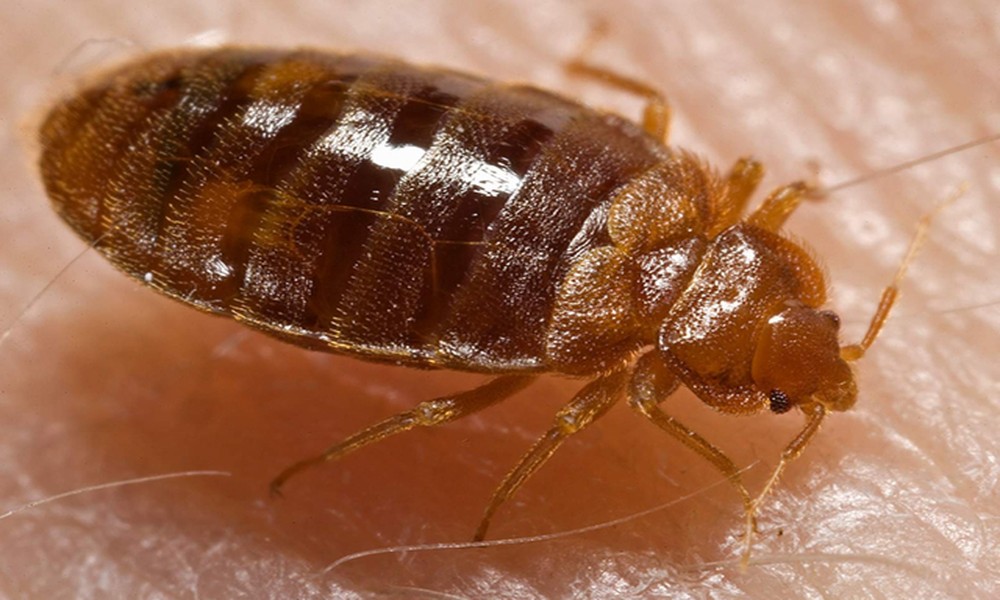

Bed bugs in an assisted living facility present a set of challenges that don’t exist in residential extermination. The population is vulnerable in ways that make chemical treatment genuinely risky. The regulatory environment is more demanding than for private homes. The logistics of treating occupied care facility rooms require coordination with staff, family members, and resident schedules that goes well beyond standard residential prep. And the reputational stakes for a licensed facility are high – a bed bug incident that reaches residents’ families or inspectors can have consequences well beyond the cost of treatment. Hot Bugz has been working with assisted living facilities and senior care communities throughout the Denver metro area and along the Front Range for years, and the consistent reason operators call us rather than a general pest control company is that our heat-only approach is the only method that addresses all of these concerns simultaneously.
Why Chemical Treatment Is Problematic in Senior Care Settings
The standard professional-grade bed bug treatment protocol – multiple applications of pyrethroid-based insecticides over a 30-day period – was designed for residential environments where occupants are healthy adults with typical immune function and the ability to prepare a space for treatment, vacate during application, and return after the appropriate waiting period. That assumption fails in virtually every dimension in an assisted living context.
Elderly residents frequently have compromised respiratory function, cardiovascular disease, neurological conditions, or multiple chronic conditions that affect how their bodies process chemical exposures. The EPA classification of common pyrethroid insecticides acknowledges that these compounds can cause respiratory irritation, neurological symptoms, and other adverse effects in sensitive populations – effects that are more pronounced and more dangerous in elderly individuals than in healthy adults.
Residents of memory care units, skilled nursing wings, and dementia care facilities often cannot be reliably told “don’t touch the treated surfaces” or “keep windows open” or “don’t let pets in the room.” The compliance requirements of chemical treatment protocols assume an adult who can follow instructions and understand what the restrictions mean. That assumption is unreliable in a care facility setting.
The three-round chemical protocol also means three rounds of disruption over 30 days. In a care facility, each treatment visit requires staff time to prepare the room, coordinate with the resident or their family, and manage whatever behavioral or emotional response the disruption creates. For residents with dementia or high anxiety, repeated disruptions of their familiar sleeping environment can cause genuine distress. Thirty days of repeated intervention is not a manageable protocol for most facilities.
The Regulatory Dimension: What Colorado-Licensed Facilities Face
Assisted living facilities in Colorado are licensed and inspected by the Colorado Department of Public Health and Environment. The regulations governing care facilities include requirements around maintaining a healthy, safe, and pest-free environment. A documented bed bug infestation that is not addressed promptly and professionally creates regulatory exposure – it becomes a deficiency finding on an inspection report, potentially requiring a corrective action plan.
The documentation that accompanies professional heat treatment – confirmation of live bugs before treatment, the treatment record, post-treatment inspection findings – creates the paper trail that demonstrates to CDPHE inspectors that the facility responded promptly and professionally. A licensed care facility that addresses a bed bug report with spray cans from a hardware store and then can’t produce professional documentation of treatment faces a very different regulatory conversation than one that can show a complete professional record.
There’s also the family notification dimension. Many families of assisted living residents are attentive to facility conditions and expect to be informed of significant health-related events. A bed bug incident handled transparently – communicated to relevant families, treated professionally with a documented outcome – is manageable. One that becomes known through a resident complaint rather than through facility communication is a different situation entirely.
How Hot Bugz Approaches Assisted Living Facility Treatment
The logistics of heat treatment in an occupied care facility are different from residential treatment, and our approach to ALF work reflects those differences.
Treatment is scheduled at a time that allows residents to be relocated to a common area, another wing, or temporarily to family for the treatment day. In most cases, one or a few rooms are treated at a time rather than an entire wing simultaneously, which minimizes disruption and allows the facility to maintain normal operations for the majority of residents.
Before treatment is scheduled, we work with facility staff to inventory each room’s contents for items that need to be protected or removed – medical equipment with specific heat tolerances, medications, any items that staff or families have identified as sensitive. The prep list for an ALF room is developed collaboratively with the facility rather than simply handed over as a checklist for the resident to complete independently.
Medical equipment – oxygen concentrators, CPAP machines, monitoring devices – is addressed specifically. Most of this equipment can tolerate heat treatment temperatures or can be protected in place; some needs to leave the room for the treatment period. The Hot Bugz team reviews this in advance rather than discovering it on treatment day.
We never treat an assisted living room without confirmation of live bugs, eggs, shell casings, or fecal material. This matters in a care facility for the same reason it matters everywhere: treatment should be a response to a confirmed problem, not a precautionary application. The documentation of that confirmation, along with the treatment record, is what the facility provides to families, staff, and inspectors.
The Specific Vector Risk in Care Facilities: Why Infestations Happen Here
Understanding where bed bugs come from in ALF settings helps facilities think about prevention as well as response. The primary vectors at assisted living facilities are:
New residents arriving from homes, hospitals, or other facilities where bed bugs were present. Family visits where guests bring belongings, sit in upholstered chairs, or stay overnight in resident rooms. Furniture or belongings donated to or purchased for the facility secondhand.
Resident room inspections at move-in – including mattress and furniture examination, and inspection of any personal furniture being brought in – catch a significant portion of potential introductions before they become facility-wide issues. Facilities with periodic inspection protocols, rather than reactive-only responses, consistently have smaller and less expensive interventions when problems do occur.
Working With Hot Bugz on Facility Accounts
Assisted living facilities throughout Denver, Aurora, Lakewood, Littleton, Fort Collins, Loveland, and surrounding Front Range communities can contact Hot Bugz to discuss both reactive treatment for a current situation and a proactive inspection program that reduces the risk of a problem reaching residents before it’s identified.
Our facility accounts receive the same written documentation and the same guarantee as our residential work. We’ve built training relationships with several Front Range facility operators – including the Denver Rescue Mission and Rocky Mountain Human Services – and we understand that bed bug management in a care environment requires both technical expertise and operational sensitivity.
Contact Hot Bugz to schedule a facility consultation or to respond to a current infestation.





Leave a Comment